
8 Poor Customer Service Examples & Their Costly Lessons
The Multibillion-Dollar Cost of a Bad Customer Experience. A single poor customer service interaction can trigger churn, complaint escalation, and reputational drag that leadership feels long after the call ends. In India, the financial risk is already measurable, because a 2022 PWC survey found that 59% of consumers will avoid a company after bad service, 32% will walk away after just one bad experience, and customers spend 15% more with competitors that deliver better service Gitnux's summary of the PWC survey. That's why poor customer service examples belong on the CFO's and COO's dashboard, not just in a training deck.
The pattern is consistent across regulated and high-volume sectors. Global CX benchmarks used by Indian firms show bad experiences can put $3.7 trillion in annual revenue at risk across 25 countries, and one widely cited dataset found 82% of U.S. consumers had stopped doing business with a company because of poor service NJBIA's summary of the Qualtrics research. In India, the stakes rise further because unresolved complaints can become formal grievances under RBI's Integrated Ombudsman Scheme, and telecom support is already governed by time-bound redressal expectations RBI-related grievance context TRAI-oriented support context.
Table of Contents
- 1. United Airlines Passenger Removal Crisis
- 2. Comcast Customer Service Nightmare
- 4. Amazon Prime Video Customer Cancellation Friction
- 4. Amazon Prime Video Customer Cancellation Friction
- 5. Wells Fargo Fake Accounts Scandal
- 6. Frontier Communications Service Outages
- 7. Equifax Data Breach
- 8. Twitter/X Customer Support Collapse
- 8 Customer Service Failures: Case Comparison
- From Reactive Fixes to Proactive Prevention with Voice AI
1. United Airlines Passenger Removal Crisis
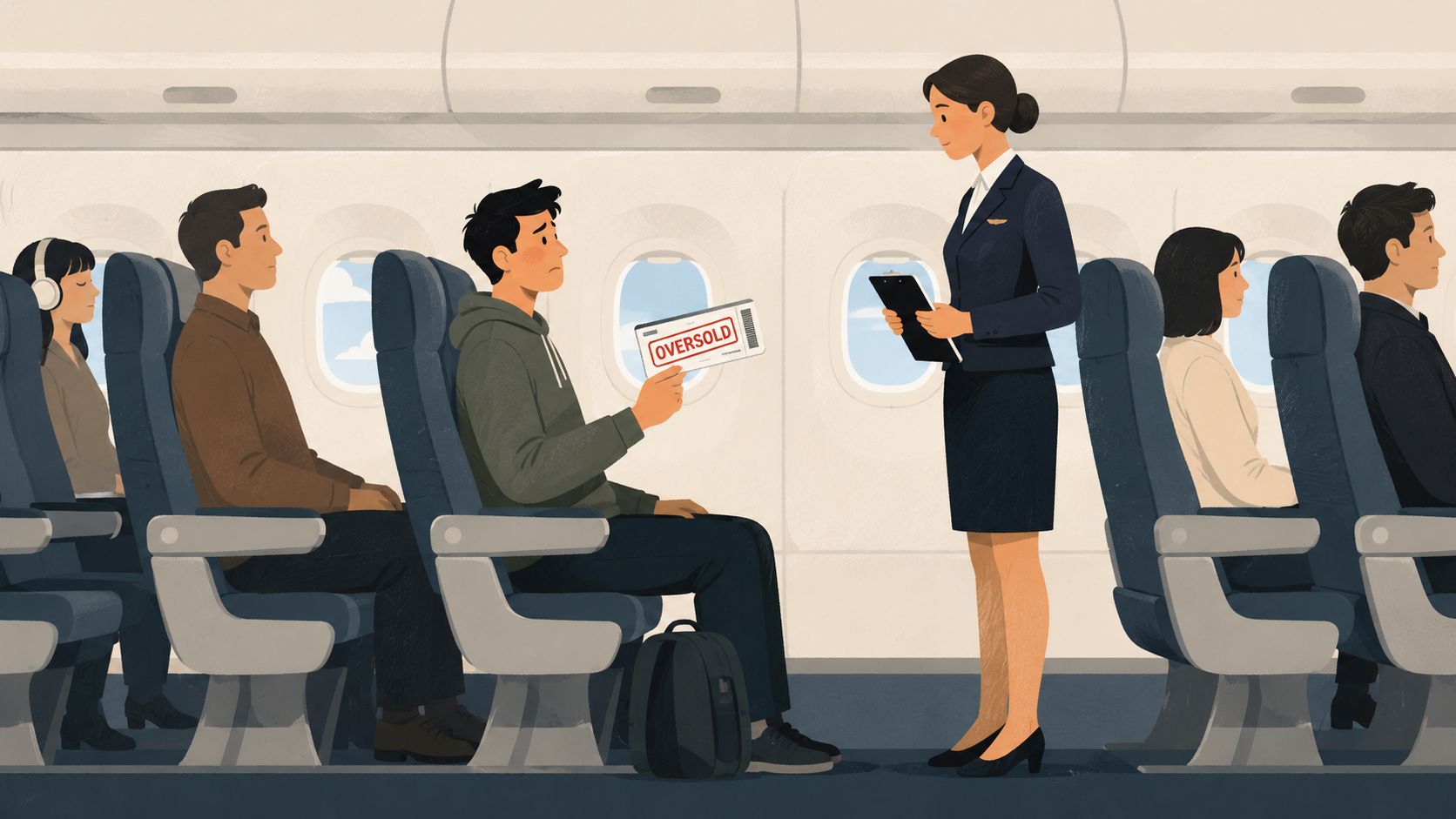
United's 2017 passenger removal crisis is the kind of front-line failure that can turn a routine operations issue into a board-level reputational event. The core problem wasn't just overbooking, it was the lack of escalation authority, the inability to resolve the issue before force entered the picture, and a public response that deepened the damage. For any airline, that means a service gap can spill into brand trust, employee morale, and renewed scrutiny from regulators and the media.
Why CXOs should care
The financial lesson is simple. A single unresolved exception, handled rigidly at the gate, can become the most expensive customer interaction of the quarter because it spreads far beyond the ticketed passenger. United's case shows why frontline teams need clear authority bands, not vague “ask your manager” rules, because escalation delays are what convert a manageable recovery moment into a viral crisis.
Practical rule: build tiered authority into service recovery, so agents can solve small exceptions immediately and supervisors can approve larger remediation without forcing the customer to repeat the story.
A workable operating model is easy to define. Give agents limited compensation authority, route higher-value exceptions to supervisors, and reserve managerial approval for the few cases that need it. Pair that with AI-assisted triage that detects distress language, flags service recovery opportunities, and suggests next-best actions before the interaction hardens into conflict.
These same escalation-authority failures show up across the wider customer service in the aviation industry, where a missed handoff at one stage of the passenger journey compounds into avoidable cost at the next.
The operational playbook also has to include rehearsal. Customer service, airport operations, and communications teams should run crisis simulations together, because the failure in a public-service event is rarely one decision, it's the chain of small delays that follows. For a practical airline-oriented reference point, review this airline customer service playbook and adapt it for escalation authority, owner assignment, and recovery documentation.
2. Comcast Customer Service Nightmare
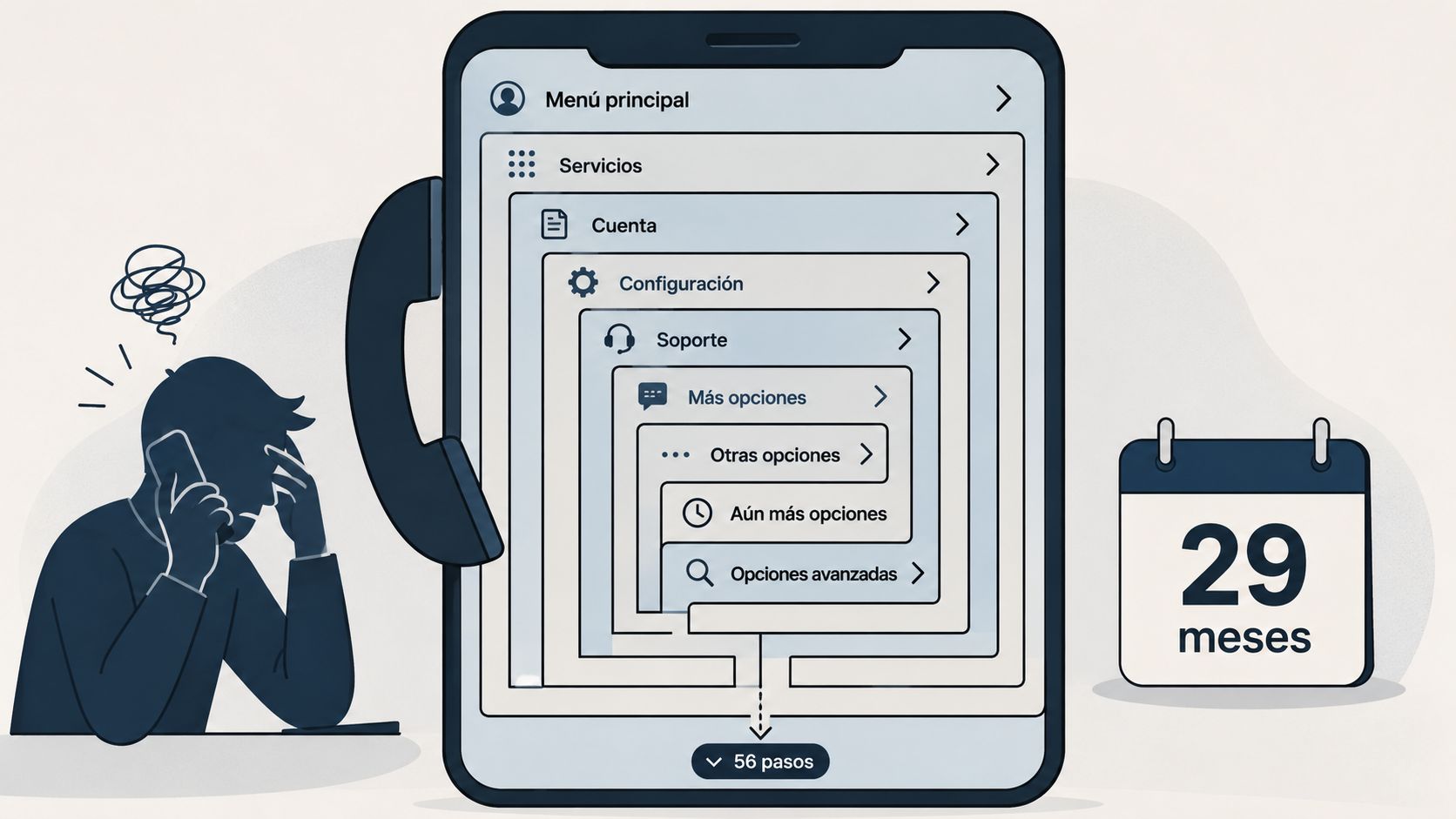
A cancellation that drags on for months is more than an annoyance. Comcast's well-known cancellation battle became a model example of how friction, repeated transfers, and process opacity can create reputational damage that outlives the original customer issue. In practice, this is one of the most expensive poor customer service examples because it turns a single escape request into a long-running trust breakdown.
The executive risk hidden in retention theater
Retention teams often think they are saving revenue when they slow down cancellations. In reality, they can be protecting a short-term save while creating a much larger downstream loss through complaints, bad press, and avoidable support load. That's especially relevant in subscription businesses, where customers notice every extra step and compare the experience against competitors in seconds.
A strategic response starts with a one-call resolution mindset for cancellations. If a customer says they want out, the system should identify the reason, present the right action, and close the loop fast. That means transparent cancellation windows, proactive status messages, and automated confirmation workflows that prevent customers from chasing an unresolved request through multiple departments.
This one-call mindset is exactly what first call resolution frameworks measure, and DialNexa’s guide breaks down how to benchmark and improve it with AI-driven tactics.
It also means listening to the calls. Voice-of-customer monitoring on cancellation conversations can expose the exact wording, handoff points, and policy steps that create frustration. For a subscription-operations comparison, see Stripe cancellation handling guidance and use it to benchmark how much process a customer has to endure before a cancellation is complete. If the answer is “too much,” the business is already paying for the friction in churn risk and support overhead.
4. Amazon Prime Video Customer Cancellation Friction
Amazon Prime Video's cancellation friction shows how a routine subscription action can turn into a revenue and reputation risk. When cancellation paths are buried, fees appear without warning, or trial conversions feel confusing, customers do not interpret the experience as product complexity. They read it as deliberate obstruction, and that perception accelerates trust loss.
Hidden friction is a support problem, not just a UX problem
For a CXO, cancellation friction creates three problems at once. It increases support contacts, raises complaint visibility, and makes the brand look evasive at the exact moment the customer is deciding whether to stay. In a high-competition digital service, that is a commercial error because the customer's next move is often to compare alternatives immediately.
The fix is operational, not cosmetic. Put cancellation in one-click workflows, confirm the request by SMS or dashboard, and automate refund initiation where policy allows it. Then add exit surveys that ask the actual reason the customer left, because hidden cancellations often mask pricing frustration, content dissatisfaction, or a poor onboarding experience that no one surfaced in time. For teams that need a process benchmark, cancel subscriptions in Stripe provides a useful reference point for how much friction a customer has to absorb before a cancellation is complete.
Predictive churn models also matter here. If the business can identify at-risk customers before cancellation day, it can surface offers, support, or content recommendations earlier, which is far less expensive than trying to recover the account after the customer has already disengaged. That same disciplined approach should extend to compliance-sensitive workflows, where clear disclosures and approval paths reduce the chance of avoidable disputes. For a related example of how policy-heavy processes can be documented and managed, see financial services compliance guidance.
The broader lesson is simple. Subscription cancellation should be fast, visible, and auditable, because every extra step increases the odds of churn, complaint escalation, and brand damage.
4. Amazon Prime Video Customer Cancellation Friction
Amazon's Prime Video cancellation friction became a strong example of how a simple subscription action can be engineered into a customer trap. When cancellation paths are buried, fees appear unexpectedly, or trial conversions feel confusing, customers don't read the experience as product complexity, they read it as intentional obstruction. That distinction matters because trust breaks faster when the customer believes the company designed the maze on purpose.
Hidden friction is a support problem, not just a UX problem
For a CXO, cancellation friction creates three risks at once. It increases support contacts, it raises complaint visibility, and it makes the brand look evasive at the exact moment the customer is deciding whether to stay. In high-competition digital services, that's a serious commercial mistake because the customer's next step is often to compare alternatives immediately.
The fix is operational, not cosmetic. Put cancellation in one-click workflows, confirm the request by SMS or dashboard, and automate refund initiation where policy allows it. Then add exit surveys that ask the reason the customer left, because hidden cancellations often mask pricing frustration, content dissatisfaction, or a poor onboarding experience that no one surfaced in time.
Predictive churn models also matter here. If the business can identify at-risk customers before cancellation day, it can surface offers, support, or product help earlier in the journey. That's much cheaper than forcing the customer to fight through menus first and then trying to win them back after the anger has already set in.
For subscription teams comparing process design, Stripe's cancellation guidance is a useful operational reference. The strategic point is simple, customers should not need a scavenger hunt to end a subscription. If they do, the cancellation flow has become a reputational liability.
5. Wells Fargo Fake Accounts Scandal
Wells Fargo's fake accounts scandal is one of the clearest examples of how poor customer service and flawed incentives can become a governance crisis. Employees created unauthorized accounts under aggressive sales pressure, which meant customers were not just poorly served, they were actively mis-served by a system that rewarded the wrong behavior. That's not a frontline training issue, it's an executive design failure.
When incentives overpower integrity
The lesson for leadership is that customer service cannot be separated from incentive architecture. If frontline staff are measured too aggressively on product counts, cross-sells, or account openings, they can start optimizing for targets instead of outcomes. The result is a service culture that looks productive on paper while creating legal, financial, and brand risk.
The operational response should start with incentive redesign. Reward customer lifetime value, retention quality, and service resolution, not just volume. Then use AI to flag abnormal account-creation patterns, because anomaly detection can surface behavior that manual oversight misses until the damage is already public.
A retaliation-free reporting process matters as much as the analytics. If employees don't trust the internal escalation path, the organization loses the earliest warning signals.
The customer-facing remediation layer should be just as rigorous. Build an incident playbook that includes customer notification timelines, identity correction steps, and high-value account review calls. For financial-services teams, this is also where compliance matters, so financial services compliance guidance should sit close to the service and risk workflows, not in a separate binder no one opens.
6. Frontier Communications Service Outages
Frontier Communications' service outage history is a reminder that poor customer service is sometimes a reliability problem first and a communication problem second. When outages affect large customer groups and restoration takes too long, the service desk becomes the face of operational failure. That puts every customer update, every credit decision, and every status message under scrutiny.
Outages test the quality of your service operating model
The financial loss here is not just the outage itself, it's the support load that follows. Customers call, re-call, and escalate when they don't know what is happening, and each interaction compounds frustration if agents can't see the same live status. In a telecom or broadband environment, that makes real-time visibility essential.
A strong outage workflow starts with automated detection and broadcast alerts through SMS and email. Customer service agents should also see a shared live dashboard so they aren't guessing at the same time customers are calling in. If the service team can instantly issue credits within defined rules, it reduces repeat contacts and shows ownership before anger hardens into churn.
What good looks like in practice
- Live outage dashboards: one source of truth for all support teams.
- Automated notifications: proactive updates reduce inbound call volume.
- Escalation rules: agents can credit accounts without waiting for a chain of approvals.
- Predictive maintenance: AI should identify weak points before they create customer pain.
- Social monitoring: digital teams need to catch public complaint spikes early.
For regulated or utility-like service models, outage handling is reputationally sensitive because customers compare response quality as much as uptime. The companies that do best treat outage communication as a service product, not a side task.
7. Equifax Data Breach
The Equifax breach showed how badly a company can compound damage when a security event turns into a customer service crisis. Once personal data is exposed, customers expect precise answers, fast routing, and clear remediation. Delayed disclosure and weak inquiry handling only deepen the sense that the organization is protecting itself instead of protecting the people affected.
Breach response is a service design exercise
In a breach scenario, generic support scripts fail fast. Customers want to know exactly what was exposed, what it means, and what action they should take next. That requires a customer support operation built around data-type visibility, specialist agents, and a service journey designed for high emotional load.
A practical response model uses AI to classify the exposure by customer segment and route the case to a specialized breach queue. From there, agents need a bounded response time, an audit trail, and a clear remediation package that reduces uncertainty. If the customer has to repeat the issue across multiple channels, the support system is extending the breach's damage.
The remediation offer also matters. High-risk exposures should come with meaningful monitoring and fraud-detection support, because customers will judge the company by how much work it removes from them after the incident. That's why post-breach service needs both automation and human specialists, not one or the other.
Executive takeaway
A breach exposes more than data. It exposes whether the company can communicate under pressure, coordinate across teams, and protect customers when trust is at its most fragile.
8. Twitter/X Customer Support Collapse
Twitter's support collapse after major workforce reductions became a vivid example of what happens when automation is asked to cover too much after human capacity is cut too far. Once support and trust-and-safety functions are stripped back, unresolved tickets pile up, escalations slow down, and high-value users notice first. In a platform business, that's not just a service issue, it becomes a commercial retention issue.
Automation without routing discipline creates backlog, not efficiency
Many CX transformations go wrong. They add AI to reduce cost, but they don't redesign the routing model, the escalation logic, or the human fallback path. The result is a system that can answer simple questions while leaving complex or high-stakes issues stuck in limbo.
A better architecture starts with tiers. Let AI handle routine queries, route complex cases to specialists, and create priority lanes for important accounts or urgent risk events. Then define an SLA for business-critical support so unresolved cases do not sit in a queue while the account owner is waiting for a reply.
Practical rule: if a customer has to fail three times inside automation before a human steps in, the service design is already too slow.
The same idea applies to feedback loops. If an AI interaction fails repeatedly, escalate it automatically. If an account is commercially important, skip the generic queue entirely. Those decisions are not “nice to have,” they're the difference between a support organization that preserves trust and one that pushes users away.
8 Customer Service Failures: Case Comparison
| Incident | 🔄 Implementation Complexity | ⚡ Resource Requirements | 📊 Expected Outcomes (impact summary) | ⭐ Key Advantages / Positive Aftermath | 💡 Ideal Use Cases / Key Lessons |
|---|---|---|---|---|---|
| United Airlines Passenger Removal Crisis | Low technical but high organizational/process complexity (escalation failures) | High PR, legal, remediation spend; training and predictive AI investment | ~$800M market cap loss; NPS 41→22; 89% negative sentiment; 18+ months recovery | Catalyst for industry passenger‑rights policy changes | Airlines/Hospitality/E‑commerce, empower agents, real‑time overbooking mitigation, crisis comms |
| Comcast 29‑Month Cancellation Battle | High intentional process complexity (decentralized systems) | Large cross‑functional ops, legal/regulatory costs, heavy CS staffing | ≈$1.2B LTV loss; NPS 27→18; 350% call surge; $600M+ in settlements | Highlighted need for telecom regulatory reform | Telco/SaaS, simplify exit flows, ombudsman escalation, measure ease‑of‑exit |
| Facebook (Cambridge Analytica) Data Privacy Breach | High governance and data‑sharing oversight failures; delayed disclosure | Massive legal, regulatory fines; remediation and transparency tooling | 87M users affected; ~$120B market cap loss over months; $5B FTC fine; trust ↓47% | Spurred GDPR and stricter global privacy enforcement | Software/SaaS/BFSI/Healthcare, enforce 72‑hour disclosure, proactive privacy controls |
| Amazon Prime Video Cancellation Friction | Low technical, high UX/process complexity (intentional dark patterns) | Customer support surge, regulatory fines, UX redesign and automation costs | 400k+ tickets; FTC ~$25M+ fines; 22% churn of cancellers; 1.8M negative posts | Accelerated one‑click cancellation regulations | Subscription services (EdTech/SaaS), implement frictionless cancellation, predictive churn models |
| Wells Fargo Fake Accounts Scandal | High organizational complexity (misaligned incentives, weak oversight) | Extensive remediation, legal settlements, compliance overhaul, monitoring tech | 2.1M fake accounts; ~$3B remediation; $40B market loss; multi‑year recovery | Drove reform of sales incentive structures across finance | BFSI/Healthcare/E‑commerce, align incentives to customer outcomes, real‑time ethics monitoring |
| Frontier Communications Outages | Technical monitoring and cross‑team coordination failures | Network ops investment, automated notifications, crisis staffing | 147k+ customers; 48+ hr outages; $100M+ credits/loss; 23% churn | Prompted adoption of automated outage notification systems | Telecom/Cloud/EdTech, real‑time detection, automated credits, integrated ops‑service dashboards |
| Equifax Data Breach | High security/process failures (unpatched vuln, delayed notification) | Large legal/regulatory settlements, long‑term remediation and monitoring costs | 147M records exposed; $700M+ settlement; 6‑week disclosure delay; $34B market loss | Strengthened breach notification laws and standards | BFSI/Healthcare/E‑commerce, 15–30 day disclosure SLA, dedicated breach support |
| Twitter/X Support Collapse | Organizational change without human fallback; inadequate automation design | Rebuild of support teams, automation redesign, prioritized human specialists | 80% support cut; 35M ticket backlog; avg resolution 180+ days; $300M+ ad revenue loss | Demonstrated support as a revenue driver, not just a cost | Platforms/SaaS, tiered support, AI triage with human fallback, SLAs for high‑value accounts |
From Reactive Fixes to Proactive Prevention with Voice AI
These poor customer service examples prove that service breakdowns are rarely isolated. They usually come from the same root causes, weak escalation authority, fragmented ownership, slow disclosure, and systems that make customers repeat themselves. The business impact shows up as churn, complaint volume, regulatory exposure, and brand damage, and the Indian market makes that risk even sharper because customers can switch quickly and regulators already treat unresolved complaints as actionable events RBI grievance context TRAI redressal context.
Voice AI is strategically useful because it attacks the failure points before they spread. It can answer routine queries, triage complaints by intent and urgency, route high-risk cases to the right human, and keep a consistent service tone across channels. That matters because the core problem is not just response speed, it's the cost of inconsistency when customers have to call back, repeat their issue, or handle an unresolved process.
The strongest operating model combines automation with clear human ownership. Use AI for qualification, routine support, and escalation detection, then let trained agents handle exceptions, sensitive complaints, and high-value customers. That approach aligns well with broader chatbot best practices for customer support, especially when businesses need to keep human fallback visible and easy to reach Mava's AI chatbot best practices.
DialNexa Labs Private Limited fits naturally into that model because it builds human-like Voice AI agents for customer support, qualification, presales, and workflow-specific conversations across sectors such as BFSI, EdTech, e-commerce, real estate, hospitality, and software. For CXOs, the strategic value is straightforward, fewer repeat contacts, faster routing, and more consistent customer handling across the journeys that matter most.
If your support operation is still relying on manual triage, inconsistent escalation, or overloaded teams, this is the right time to redesign the workflow. Visit DialNexa Labs Private Limited to see how Voice AI can help your team prevent repeat failures, shorten resolution paths, and protect revenue before poor service turns into a larger business problem.

I especially liked the practical focus on faster escalation, proactive communication, and using AI to support—not replace—human decision-making.
This is a valuable and practical breakdown of how poor customer service can impact customer trust, retention, and business growth. The focus on proactive solutions, clear escalation, and Voice AI makes the content especially insightful.