

Outbound Call Meaning: A Strategic Imperative for Executive Leadership
TL;DR
- An outbound call simply means the business initiated the call, not whether it was answered, converted, or automated. That one distinction resolves most confusion around outbound calling, outbound voice, and unrelated terms like outbound attendance.
- Outbound delivers measurable ROI where digital-only workflows leave gaps: uncontacted leads, missed appointments, incomplete applications, and late payments.
- Realistic benchmarks matter more than vendor hype: well-managed human teams average 50–80 calls per agent per day with 15–30% answer rates; AI changes execution speed and consistency, not the underlying definition of “outbound.”
- Compliance, DND scrubbing, calling-hour limits, consent, and TRAI DLT registration is a mandatory gate for any outbound campaign in India, not an optional add-on.
An outbound call is a call your business initiates to a customer, lead, patient, applicant, or account holder. In simple terms, the company places the call rather than receiving it. That basic definition matters because many readers are not looking for strategy first; they want to know exactly what the term means in day-to-day business use.
In practice, outbound calls can support sales follow-up, appointment reminders, payment collections, satisfaction surveys, onboarding, renewal outreach, and support callbacks. Outbound calling is the broader activity of planning, placing, tracking, and improving those calls across a team or system. In contact-center language, outbound voice usually means the voice channel used to place those business-initiated calls, whether the caller is a human agent, an automated dialer, or an AI voice system.
We see repeated confusion between outbound calling, outbound voice, and unrelated HR terms such as outbound attendance. They are not interchangeable. Outbound calling belongs to customer communication operations; outbound attendance usually refers to staff attendance or fieldwork recorded outside the office. Keeping those terms separate makes the rest of the strategy discussion much clearer.
How We Evaluated Modern Outbound Calling
This article uses a definition-first editorial lens. We reviewed how the term is used across contact centers, telecom documentation, AI voice platforms, and workforce operations, then separated core meanings from adjacent jargon. In our review, we treated a definition as reliable only if it worked across industries and did not depend on one vendor’s product language.
Our practical criteria were straightforward:
- Contact-center usage: Does the definition clearly identify who initiated the call and why?
- Telecom usage: Does it distinguish the voice channel from the broader workflow?
- AI voice usage: Does it explain when automation changes execution without changing the underlying meaning of an outbound call?
- Workforce or attendance usage: Does it avoid mixing employee field activity terms with customer-calling terminology?
- Compliance claims: Are legal or performance claims supported by neutral or at least clearly attributable sources rather than vague promotional language?
We disqualified definitions that were too vendor-specific, outdated, or unsupported. For example, any explanation that treats every outbound call as telemarketing is too narrow, and any claim that AI guarantees better outcomes in every campaign is too broad. We also prioritized plain-language distinctions because that is where most confusion starts: a business-initiated call is the core concept, while the strategy, tooling, and channel choices come after that.
What an Outbound Call Means Today for Business Strategy
An outbound call means your business started the conversation. That is the clearest possible definition. If a sales rep calls a lead after a demo request, that is an outbound call. If a clinic calls to confirm an appointment, that is an outbound call. If a bank calls to complete onboarding or verify documents, that is an outbound call. The term describes who initiated the contact, not whether the interaction was sales-led, service-led, or automated.

The plural form, outbound calls, refers to those business-initiated calls at scale. Outbound calling refers to the broader operational process: list management, dialing, scripting, routing, compliance, reporting, and follow-up. Outbound voice is narrower, usually referring to the voice-based systems or channels used to place those calls, especially in telecom, contact-center, and AI-automation contexts.
One point is worth stating plainly: outbound only means the business placed the call. It does not mean the person answered, spoke with an agent, or converted. In our experience, this is one of the most common misunderstandings in executive discussions about campaign performance, because teams sometimes confuse total dials with actual conversations.
Why Outbound Calling Matters for Businesses?
Historically, outbound calling became a major business practice as call centers scaled globally from the 1980s onward. By the early 2000s, more than 12 million people worldwide were estimated to work in call centers, with large volumes of sales and telemarketing activity handled through outbound operations, as summarized in RingCentral’s overview. That history matters because it explains why the term still appears in sales, service, collections, and support settings rather than in one narrow department.
For leadership teams, the strategic value comes after the definition. Once you understand that outbound is business-initiated contact, you can evaluate where it is most effective: following up on warm leads, reminding customers about appointments, chasing incomplete applications, recovering overdue payments, gathering survey responses, guiding onboarding, or returning support requests before the customer has to call again. I find this framing more useful than treating outbound as an abstract growth philosophy, because it shows exactly where the function sits inside operations.
A plain-language distinction: outbound call, outbound calling, and outbound voice
- Outbound call: one call placed by your business to another person.
- Outbound calling: the repeatable business activity of making those calls.
- Outbound voice: the voice channel or calling system used for that outreach.
This distinction becomes especially important when companies compare agent teams with dialers, cloud telephony, or AI voice tools. The technology may change, but the core definition does not.
Outbound vs Inbound: A Strategic Snapshot for Leadership
To fully grasp its strategic importance, let’s delineate the core differences from an executive viewpoint. This table breaks down how outbound and inbound strategies function as complementary forces within a high-growth organisation.
| Attribute | Outbound Calls (Proactive Growth Engine) | Inbound Calls (Reactive Customer Service) |
|---|---|---|
| Initiator | Your business initiates contact to drive strategic goals. | The customer initiates contact with an immediate need. |
| Purpose | Generate new revenue streams, qualify high-value leads, conduct market research. | Resolve customer issues, process inbound orders, provide support. |
| Strategy | Offensive—actively creating and capturing market opportunities. | Defensive—protecting and retaining the existing customer base. |
| Goal | Drive demand, expand market share, and increase shareholder value. | Satisfy existing demand, ensure customer retention, and manage brand reputation. |
In essence, outbound creates opportunities before the customer acts, while inbound responds after the customer has already taken action. Both matter. One builds pipeline and momentum; the other protects experience and retention.
From interruption to useful outreach
Outbound calling no longer sits only in old-school cold sales environments. Today, the strongest programs are usually the ones customers can recognize as relevant and timely: a reminder before a visit, a follow-up after a product inquiry, a callback after a missed support request, a renewal prompt before lapse, or a collections call that gives a customer a clear payment option.
That shift matters because it changes how leaders should evaluate the channel. A modern outbound program is not just about volume. It is about whether the business is contacting the right person, for a legitimate reason, at an appropriate time, with a useful next step. In our review of outbound programs, the teams that perform best usually treat the call as one touchpoint in a broader customer journey rather than as an isolated dial.
For a deeper dive into architecting such a strategy, explore this a complete guide to mastering outbound lead generation.
Where Does Outbound Calling Deliver Measurable ROI?
Understanding the definition is useful; understanding where it pays off is what makes it operational. Outbound calling delivers measurable ROI when the call closes a gap that digital-only workflows leave open: uncontacted leads, missed appointments, incomplete applications, stalled onboarding, late payments, or unresolved service loops.
Benchmarking also helps ground expectations. A 2021 analysis summarized by ComputerTalk notes that well-managed outbound teams often average roughly 50 to 80 calls per agent per day, with answer rates commonly landing in the 15% to 30% range. I prefer benchmarks like these to inflated vendor claims because they remind leaders that not every dial becomes a conversation, and not every conversation becomes revenue.
Filling the pipeline in real estate
Executive challenge: For a sales leader in real estate, demand often exists before appointments do. Prospects browse listings, click ads, or register interest, then disappear into long decision cycles.
Strategic use of outbound: A structured outbound follow-up process helps recover that latent demand. Calls can qualify intent, answer financing questions, confirm visit interest, and move serious buyers toward booked site visits.
Outbound tends to outperform passive forms and generic nurture emails: the customer gets a real next step. In our experience, real estate teams see the most value when the calling list is limited to recent, high-intent inquiries rather than broad purchased data.
Driving enrolments in EdTech
Executive challenge: Education providers often generate large inquiry volumes but lose prospects between webinar attendance, counseling, and payment.
Strategic use of outbound: Timely follow-up calls help clarify course fit, intake dates, financing options, and certification concerns. That is especially useful when the prospect has already shown intent but has not completed the final step.
Used well, outbound calling here is less about pressure and more about reducing friction. To see how AI is scaling such outreach, learn how AI voice agents are transforming customer service and sales.
Streamlining onboarding in finance and regulated services
Executive challenge: Banks, insurers, and fintech teams lose time and trust when onboarding stalls between application, verification, and activation.
Strategic use of outbound: Calls can confirm missing details, prompt document completion, verify identity steps, and reduce abandonment. This is one of the clearest examples of outbound creating operational ROI, because the business is not just chasing revenue; it is shortening the path from intent to activation.
This category also shows why a definition-first view matters. The same outbound call can belong to sales, risk, or service depending on the business objective, but it is still outbound because the company initiated it.
Adjacent terminology people often confuse with outbound calling
Outbound attendance meaning: In workforce and HR contexts, outbound attendance usually refers to attendance or field activity recorded when employees are working outside the office, such as site visits, client visits, or external assignments. It is an attendance-management term, not a calling term. We typically see confusion here when operations teams use the word “outbound” in both fieldwork and customer-contact settings. Guidance from Zoho People on attendance regularization and field attendance is a useful example of how attendance terminology sits in a different operational bucket from contact-center language.
Outbound voice meaning: In telecom and contact-center usage, outbound voice usually means voice calls initiated from a business phone system, dialer, or cloud contact-center platform. It refers to the channel and calling capability rather than the overall commercial strategy. A neutral contact-center explainer such as Twilio’s overview of outbound calling reflects that channel-oriented meaning clearly.
Clarifying these side terms improves reporting discipline. If leadership dashboards mix field attendance data, telephony channel metrics, and sales-calling KPIs under one vague “outbound” label, decision-making deteriorates fast.
Measuring What Matters: The Executive Dashboard for Outbound Operations
For any executive, an initiative without clear, quantifiable metrics is a liability. It’s easy to get lost in operational “vanity metrics” like ‘dials per hour,’ which offer zero insight into profitability. The true value of an outbound call strategy is measured by the Key Performance Indicators (KPIs) that directly correlate with financial performance.
Effective leaders understand that metrics are diagnostic tools. A declining Connection Rate, for example, is rarely a symptom of lazy agents. It’s a strategic indicator of poor data hygiene or flawed market segmentation, which directly inflates Customer Acquisition Cost (CAC) and wastes valuable resources.
Which KPIs Drive P&L Performance?
To measure the genuine ROI of your outbound investment, focus on the metrics that bridge operational activity with financial outcomes. These three KPIs form the cornerstone of any high-performance outbound dashboard.
- Connection Rate: The percentage of calls that successfully connect to the intended decision-maker. A low rate (e.g., below 15-20% in B2B) signals that your list quality is poor or your dialling strategy is mistimed, leading to wasted expenditure.
- First Call Close (FCC): A critical metric for sales efficiency, tracking the percentage of deals closed in a single conversation. A high FCC, often seen in high-velocity sales environments, indicates a powerful script, a compelling offer, and skilled agents. Top-performing teams can achieve FCC rates of 20-25% for certain products.
- Cost Per Acquisition (CPA): The ultimate measure of financial efficiency. This calculates the total outbound campaign cost divided by the number of new customers acquired. A well-optimised campaign can drive CPA down by 30-50% compared to less targeted marketing channels.
Monitoring these KPIs provides a real-time, strategic overview of your entire operation’s health. A well-designed dashboard translates raw data into actionable intelligence.
With this level of visibility, a VP of Sales can instantly diagnose performance issues and make data-driven decisions to ensure every dollar invested in outbound activities generates a measurable return. To further your understanding, you can master customer success metrics to build a data-centric culture.
Ultimately, mastering your data empowers you to optimise strategy on the fly. To learn more, explore our guide on how to measure the success of your outbound campaigns with our AI voice agent.
The Strategic Shift From Manual Dialling to AI-Powered Outreach
AI has changed how outbound calling is executed, but it has not changed the core meaning of the term. A business-initiated call is still an outbound call whether it is placed by a human agent, a predictive dialer, or a voice AI workflow. What has changed is speed, consistency, routing, and the ability to run large volumes of simple interactions without proportional headcount growth.
That makes AI useful, but not universally superior. In our review, AI outbound works best in structured, repeatable scenarios: lead qualification, appointment reminders, payment prompts, basic onboarding checks, satisfaction surveys, re-engagement campaigns, and simple callbacks. These are interactions where the script can be defined, the acceptable outcomes are known, and escalation rules are clear.
Human agents still matter most when the conversation is high-stakes, emotionally sensitive, commercially complex, or likely to require judgment. Negotiating enterprise deals, resolving escalations, handling bereavement or hardship cases, retaining an angry customer, or navigating multi-issue service disputes are usually poor fits for fully automated outreach. I would not treat AI as a blanket replacement layer for those moments; it works better as a triage and scale layer around them.
The quantifiable impact of AI on the operating model
A balanced way to view AI outbound is to compare where it improves process control rather than assume miracle conversion rates. Automation can reduce idle time between dials, enforce scripts more consistently, run around the clock, and route qualified conversations faster. That tends to improve coverage and responsiveness first; commercial lift comes only if the offer, data quality, and customer timing are already sound.
The more conservative benchmarks are still useful here. As noted earlier, many human-led outbound teams operate within the rough band of 50 to 80 calls per agent per day, with answer rates around 15% to 30% in many environments, according to ComputerTalk’s benchmark discussion. Those are industry-style reference points, not promises. Any comparison with AI should be treated the same way: as an illustrative operating benchmark unless the company publishing it provides context, methodology, and campaign specifics.
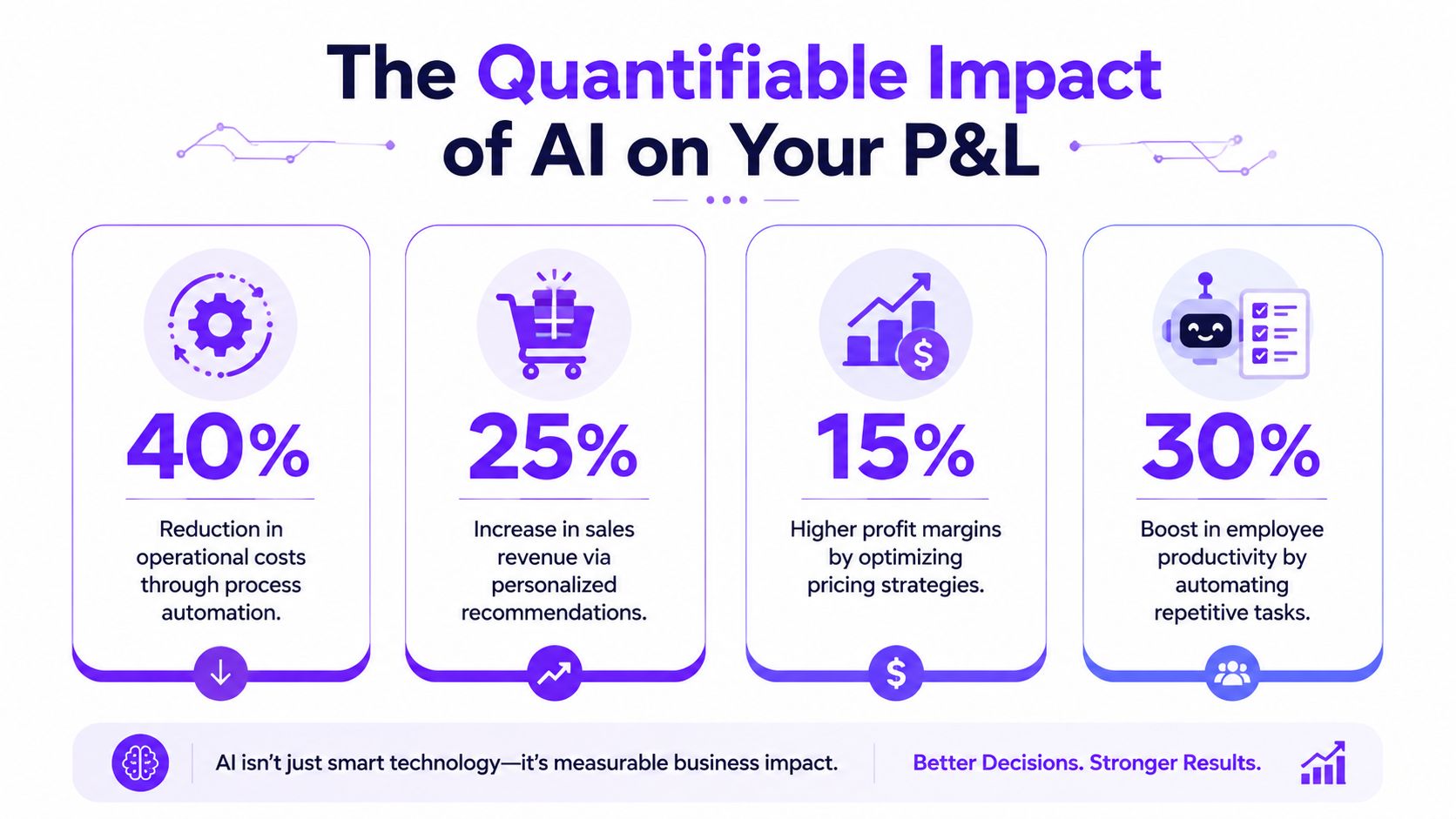
This infographic highlights the core metrics that define the financial success of a modern outbound strategy.
Metrics like Connection Rate, First Call Close, and Cost Per Acquisition are interconnected and serve as the primary levers for profitable growth.
Operational Impact: Manual vs AI-Powered Outreach
The operational and financial contrast between the legacy model and the AI-powered future is stark. Here is a direct comparison of how integrating a platform like DialNexa reshapes outbound operations.
| Metric | Traditional Manual Dialing | AI-Powered Voice Agents |
|---|---|---|
| Agent Productivity | Often 50-80 calls per agent per day in benchmarked outbound environments. | Thousands of concurrent calls are technically possible, though practical throughput depends on workflow design, data quality, and escalation rules. |
| Connection Rate | Frequently shaped by list quality, timing, and rep availability; many teams operate in the 15-30% answer-rate range. | Can improve contact efficiency through faster dial cycles and immediate follow-up, but results vary widely by campaign and should be treated as scenario-specific. |
| Lead-to-Booking Rate | Highly dependent on offer quality, rep skill, and follow-up discipline. | Can improve speed-to-lead and script consistency, especially for top-of-funnel qualification, but should be validated against your own funnel data. |
| Operational Costs | High and often variable due to recruitment, training, attrition, and scheduling. | Lower marginal cost for repetitive workflows, especially at scale, with better consistency in routine interactions. |
| Human Agent Focus | Mixed between repetitive dialing and complex conversations. | Better reserved for exceptions, negotiations, escalations, and relationship-heavy calls. |
Where Does AI Outbound Fall Short?
Leaders should also be clear about the limitations. Consent rules still apply whether a human or a bot places the call. Emotional or high-conflict conversations can go badly when automation is used past its depth. Poor data quality still produces poor outcomes. And any serious outbound AI program needs explicit escalation paths so a customer can reach a human when the situation becomes sensitive, confusing, or commercially important.
This is a strategic shift: not manual versus machine as ideology, but better division of labor. AI handles repeatable outreach at scale; people handle nuance, trust, exceptions, and persuasion.
How to Ensure Ironclad Compliance in Your Campaigns
For any C-suite leader, growth initiatives must be balanced with rigorous risk management. In the world of outbound calling, regulatory compliance is not optional—it is a critical business function. Non-compliance with frameworks like India’s TRAI TCCCPR can result in severe financial penalties, operational shutdowns, and irreparable brand damage.
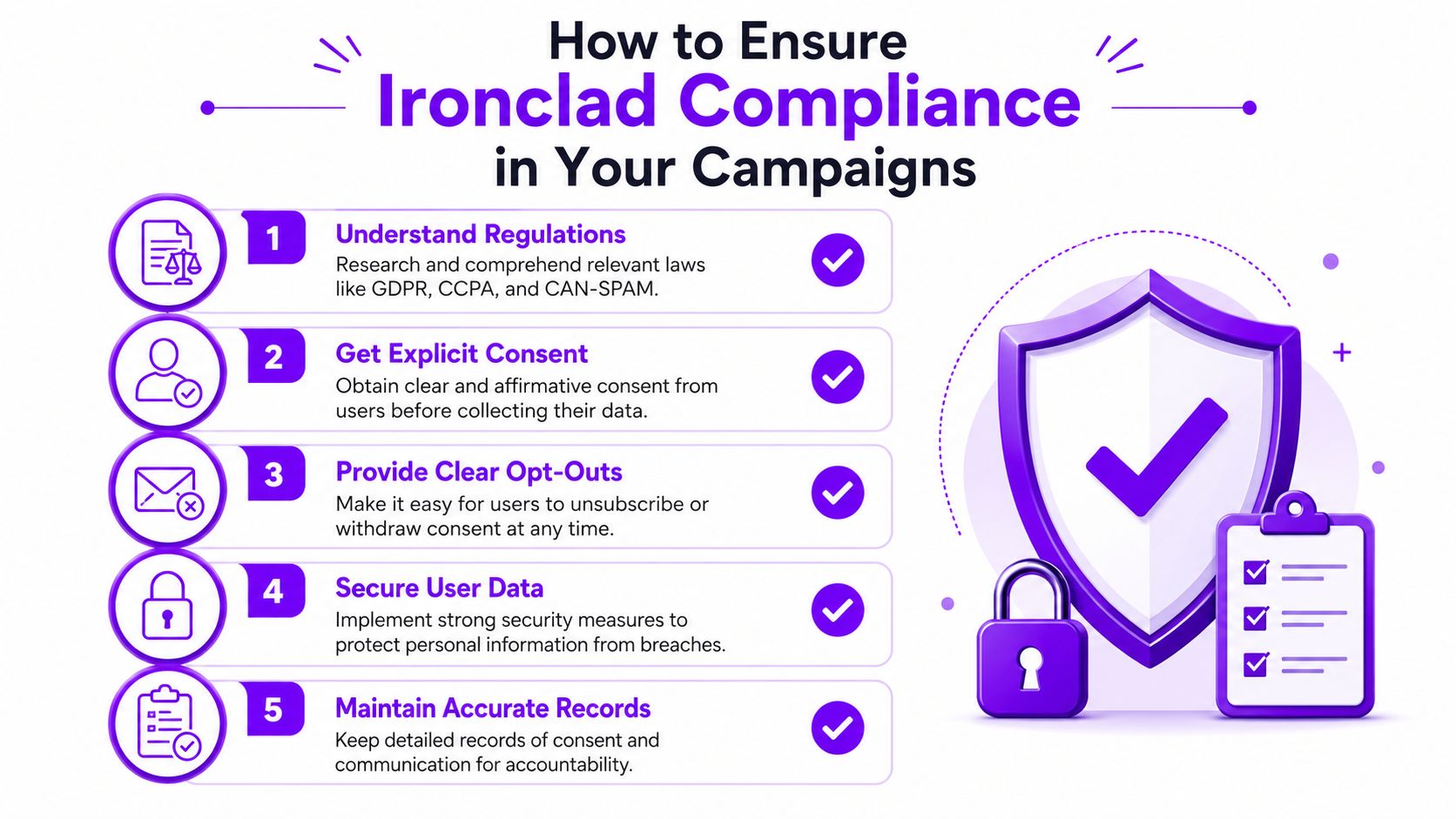
Mastering compliance fundamentals is essential. These are the foundational pillars of any legally sound outbound operation.
- Do Not Disturb (DND) Registries: All calling lists must be systematically scrubbed against national and internal DND databases before any campaign launch. A single violation can trigger audits and fines.
- Mandated Calling Hours: Adherence to legally defined calling windows is absolute. These vary by region and jurisdiction, and automated systems must be programmed to comply without fail.
- Consent and Transparency: Explicit consent is often required for marketing communications. Every call must begin with a clear, transparent statement of purpose, and all interactions must be logged to prove compliance.
From Manual Risk to Automated Assurance
Attempting to manage this complex web of regulations manually is an invitation for catastrophic human error. The financial and reputational stakes are too high. Technology is the only viable solution, transforming compliance from a manual, high-risk activity into a reliable, automated, and auditable process.
AI-powered Voice Agents are designed with compliance at their core. They can be programmed to execute these checks flawlessly and automatically, mitigating risk at scale. This isn’t just about avoiding penalties; it’s about building a trustworthy brand that respects customer privacy from the very first interaction.
An AI agent can, for instance, scrub a list of one million contacts against DND registries in seconds and will automatically restrict dialling to legally permitted hours with perfect accuracy. Furthermore, every call follows a pre-approved, immutable script, ensuring all necessary legal disclosures are delivered consistently.
This creates a complete, time-stamped audit trail for every single interaction, providing executives with defensible proof of compliance and true peace of mind. For teams formalizing evidence requirements, AuditReady’s guide is a useful reference on audit trail expectations under DORA and NIS2-style compliance programs.
To better understand the legal framework, consult the executive guide on the ethics and legality of AI phone calls.
DND scrubbing and consent logging only cover part of the compliance chain. Before a sender ID or voice caller ID can be used for commercial outreach at all, the entity, header, and template have to clear TRAI DLT registration, the mandatory gate that sits in front of every compliant outbound campaign in India.
Questions Leaders Are Asking About AI in Outbound
The executive questions that matter most are no longer just “Can AI make calls?” but “Where should it be used, where should it stop, and how do we govern it?” That is a healthier frame because it treats AI outbound as an operating model decision rather than a novelty purchase.
Where does AI create the most value first?
The clearest starting points are repetitive workflows with narrow objectives: qualification, reminders, confirmations, payment nudges, surveys, and simple service callbacks. Those use cases benefit from consistency and scale without demanding much improvisation. In our view, companies usually get better early results when they automate one narrow workflow well instead of trying to replace the whole call floor at once.
What should remain human-led?
Anything involving negotiation, emotional complexity, reputational risk, or multi-step problem solving should remain human-led or at least human-supervised. AI can collect context, route the case, and document the interaction, but trust-heavy moments still depend on human judgment.
How should leaders evaluate AI claims?
Treat performance numbers as attributable examples unless they are backed by methodology, campaign type, and benchmark context. Ask whether the result came from warmer leads, cleaner data, stricter timing windows, or a better calling workflow. For basic meaning, terminology, and inbound-vs-outbound questions, consult the FAQ for the fundamentals.
Frequently Asked Questions
1. What is an outbound and inbound call?
An outbound call is a call your business initiates to a customer, lead, or contact. An inbound call is a call the customer initiates to your business. The difference is who started the interaction.
2. Does outbound call mean they answered?
No. It only means the call was placed by the business. The person may answer, miss the call, reject it, or send it to voicemail; all of those still count as outbound attempts.
3. What’s the difference between outbound and inbound?
Outbound is proactive communication started by the company for a business purpose such as sales follow-up, reminders, collections, or callbacks. Inbound is reactive communication started by the customer, usually for support, orders, complaints, or information. The channel can still be the same phone system; what changes is who initiated the call.
4. Is outbound calling cold calling?
Sometimes, but not always. Cold calling is one type of outbound calling where the business contacts someone without an existing active conversation or recent request. Many outbound calls are warm or operational instead, such as follow-ups after a form submission, appointment reminders, onboarding calls, or support callbacks.
5. What does outbound voice mean?
Outbound voice usually refers to voice-based business outreach through telephony, contact-center systems, dialers, or AI voice agents. It is a channel term, not a separate business category. In other words, outbound voice is often the mechanism used to perform outbound calling.
6. What does outbound attendance mean?
Outbound attendance usually belongs to HR or workforce management, not contact-center operations. It typically refers to attendance logged when employees are outside the office for field visits, client meetings, or external work assignments. It does not mean outbound calling.
Ready to see how AI can reshape your outbound strategy? With DialNexa, you can build and launch human-like Voice AI agents that scale your outreach, slash operational costs, and hand over conversion-ready leads. Discover the DialNexa advantage today.

Excellent breakdown of outbound calling concepts with clear distinctions between outbound calls, outbound voice, and attendance terminology. The strategic insights and KPI-focused approach make this a valuable resource for business leaders looking to optimize customer outreach and ROI.